Basic Information
| Field | Details |
|---|---|
| Full name | Hiroaki Aoki |
| Also known as | Rocky Aoki |
| Birth date | October 9, 1938 |
| Birthplace | Tokyo, Japan |
| Death date | July 10, 2008 |
| Death place | New York City, New York, United States |
| Nationality | Japanese-American |
| Known for | Founder of Benihana |
| Occupations | Restaurateur, wrestler, entrepreneur, powerboat racer |
| Parents | Yunosuke Aoki, Katsu Aoki |
| Spouses | Chizuru Kobayashi, Pamela Hilburger, Keiko Ono Aoki |
| Children | Kana Grace Nootenboom, Kevin Aoki, Steve Aoki, Kyle N. Aoki, Echo V. Aoki, Devon Aoki, Jennifer Lynn Crumb |
A Life That Moved Like a Flame
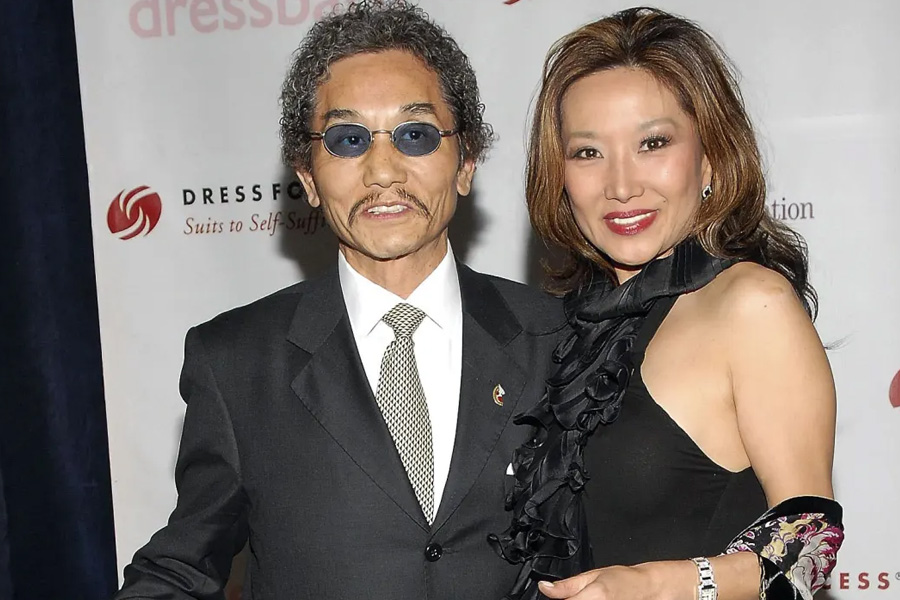
I never thought Hiroaki Aoki was created for still water. He lived like a spark in dry grass. He became famous for his discipline, danger, showmanship, and appetite after being born in Tokyo in 1938. Benihana founder Rocky Aoki is well-known, yet that status just opens doors. Behind it was an athlete, son, husband, parent, and man who constantly getting into new things.
Family, movement, and ambition defined his youth. The story feels like a bridge between realms. He brought tradition from Japan and developed a brand in the US that turned supper into performance. That change was significant. A cultural, business, and identity leap.
Young, he was proving himself in wrestling. He excelled in Japan and the US, winning titles that demonstrated his discipline before his name was associated with restaurants. More than trophies came from wrestling. It introduced him to pressure, timing, and performance. These traits would later important in business as well as on the mat.
From Athlete to Restaurateur
I think one of the most fascinating parts of Hiroaki Aoki’s life is how he turned practical struggle into a future empire. He studied in the United States, worked difficult jobs, and saved what he could while chasing a larger vision. He was not handed a polished business path. He built one.
In 1964, he opened the first Benihana in Manhattan. That moment changed everything. What looked at first like a restaurant became a stage where chefs cooked in front of guests, knives flashed like silver punctuation marks, and dinner became a form of entertainment. He did not merely sell food. He sold an experience, and that difference helped his idea spread.
The Benihana model was clever, dramatic, and easy to remember. It had rhythm. It had spectacle. It had a personality as sharp as a cut of steel. I see this as the heart of Aoki’s genius. He understood that people do not always remember a meal for the meal alone. They remember the feeling around it. He built a business around memory.
Benihana grew into a widely recognized brand, and Aoki’s name became linked with Japanese cuisine in America in a very visible way. He was not the quiet kind of entrepreneur who waited in the back office. He was larger than that. He was a showman with instincts for attention, and he carried those instincts into other ventures as well.
Beyond the Kitchen
Hiroaki Aoki did not stop at restaurants. He moved into offshore powerboat racing, clubs, and magazine ventures, always seeming to chase the next high-speed horizon. That pattern makes sense to me when I look at the whole man. He was not content to run a single machine. He wanted to build several.
He also became known for his risk-taking in business and in life. That risk had a bright side and a dark side. On the bright side, it helped him create something memorable and profitable. On the dark side, it drew him into legal trouble later in life, including an insider-trading case that damaged his public image.
Still, even with setbacks, his influence endured. The restaurant brand outlived many of the headlines. The family name remained active in business, fashion, music, and public culture. That kind of reach is rare. It means a person’s life has left tracks deep enough for others to follow.
The Family at the Center of the Story
I cannot write about Hiroaki Aoki without writing about the family around him. His personal life was complex, layered, and often public in ways that many families never experience. He was married three times, and his children became part of a wide and sometimes difficult inheritance story.
His parents were Yunosuke Aoki and Katsu Aoki. They represent the origin point of the family line, the root system beneath the later fame. From them came the background, the discipline, and the Japanese family identity that remained important throughout his life.
His first wife was Chizuru Kobayashi. Their children were Kana Grace Nootenboom, Kevin Aoki, and Steve Aoki. I see this branch of the family as one that connects the original immigrant story to later public fame. Steve Aoki became internationally known in music, while Kevin Aoki continued in hospitality and restaurant work. Kana Grace Nootenboom has remained more private, but she belongs firmly to the family’s core narrative.
His second wife was Pamela Hilburger, also referred to as Pamela Jane Hillberger in legal records. Their children were Kyle N. Aoki, Echo V. Aoki, and Devon Aoki. This branch created another striking public legacy. Devon Aoki became a major model and actress, while Kyle and Echo stayed more behind the scenes. Even so, their names appear in the larger story of the family business and estate matters.
His third wife was Keiko Ono Aoki. Their marriage came later in his life and became especially important after his death because of the estate disputes that followed. That chapter of the family history reveals how wealth, legacy, and trust can become tangled like vines around a trellis. The family story was no longer just about success. It was also about control, inheritance, and memory.
He also had a nonmarital child, Jennifer Lynn Crumb, who appears in legal records tied to the estate. Her place in the story shows how wide and complicated the family map became over time.
The Children and Their Different Paths
I find the children fascinating because they moved in different directions.
Kana Grace Nootenboom lives quietly and works in therapy. Kevin Aoki kept active in the restaurant industry and advanced the family business. The family name changed culturally when Steve Aoki became a global music star. Kyle N. Aoki, Echo V. Aoki, and Jennifer Lynn Crumb are lesser-known yet crucial to the family saga. Devon Aoki made the family famous in fashion and film.
I notice a family branching from a trunk when I move back. A few limbs reached for music. Some fashion-oriented. Some business-oriented. Some were private. The Aoki family story is more than a fortune tale due to its variety.
Public Image, Legacy, and Ongoing Attention
Hiroaki Aoki’s legacy still appears in modern coverage because people remain fascinated by his mix of theater and ambition. He was the kind of founder who made a brand feel alive. His name continues to surface through family interviews, restaurant news, social media tributes, and stories about his children.
I think the strongest part of his public legacy is not just that he built Benihana. It is that he built a style of American dining that felt memorable, colorful, and communal. He turned a meal into a performance without losing the basic pleasure of the food. That is a rare balance.
At the same time, his life was not smooth or tidy. It had lawsuits, family conflict, public scrutiny, and dramatic turns. That makes him more human, not less. Great founders often look polished from far away, but up close they are full of seams. Hiroaki Aoki was no exception.
FAQ
Who was Hiroaki Aoki?
Hiroaki Aoki was a Japanese-American entrepreneur, wrestler, and restaurateur best known as the founder of Benihana. He was also widely known as Rocky Aoki.
What was Hiroaki Aoki’s main achievement?
His biggest achievement was creating Benihana and popularizing a theatrical style of Japanese dining in the United States.
How many children did Hiroaki Aoki have?
He had seven children: Kana Grace Nootenboom, Kevin Aoki, Steve Aoki, Kyle N. Aoki, Echo V. Aoki, Devon Aoki, and Jennifer Lynn Crumb.
Who were Hiroaki Aoki’s spouses?
He was married to Chizuru Kobayashi, Pamela Hilburger, and later Keiko Ono Aoki.
Who were Hiroaki Aoki’s parents?
His parents were Yunosuke Aoki and Katsu Aoki.
What made Hiroaki Aoki different from other restaurateurs?
I would say it was his instinct for performance. He did not only build a restaurant chain. He built an atmosphere, a brand, and a memory people carried home.
Did Hiroaki Aoki have other careers besides restaurants?
Yes. He was a wrestler, a powerboat racer, and an entrepreneur involved in other business and media ventures.
Why is Hiroaki Aoki still remembered today?
He is still remembered because Benihana became a landmark brand, his children became public figures in their own fields, and his life blended entrepreneurship, family drama, and cultural influence in a way that still attracts attention.